Split Apple Embroidery Design: A Designer's Honest Review
When I first saw the Split Apple embroidery design on Creative Fabrica, I immediately pictured it on a child's backpack, a teacher's tote, or even a kitchen towel for an apple-picking season gift. As someone who stitches dozens of designs each month for custom orders and Etsy listings, I look for designs that balance visual charm with practical stitchability. This one caught my attention because a split apple is such a universally recognized shape, and the back-to-school vibe opens up a whole season of selling opportunities.
Before committing any design to a real project, I always run through a mental checklist: Does the artwork translate well to thread? Will it look good on different fabrics? Can I personalize it without ruining the composition? Let me walk you through how Split Apple holds up under that kind of scrutiny, based on what I see in the product preview and how I would approach it for a customer order.
First Impressions: Playful, Bright, and Full of Personality
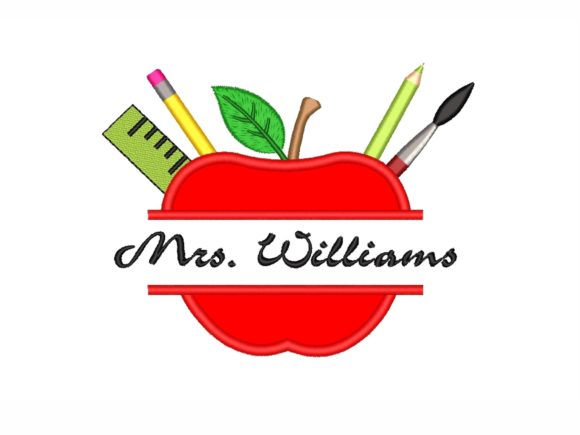
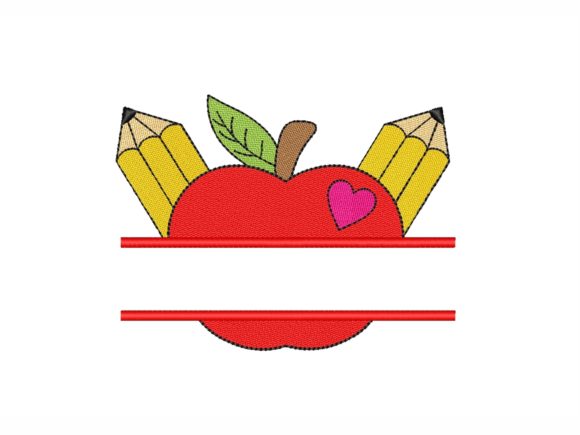
The first thing that strikes me about Split Apple is how cheerful the design feels. The apple is split cleanly down the middle or presented in halves, which gives it a whimsical, almost storybook quality. It is not overly realistic or botanical. Instead, it leans into a cute, decorative style that suits children's items, classroom decor, and handmade gifts beautifully. The stitching personality feels light and friendly, which matters when you are creating products meant to make someone smile.
The decorative appeal is strong without being cluttered. The shape reads well from a distance, and the internal details, like the seeds or the subtle curves of the apple flesh, add visual interest up close. For an embroidery file meant to be used on real products, that balance is essential. A design that only looks good in a digital mockup but loses clarity when stitched is a nonstarter for professionals. Based on the preview, Split Apple seems to avoid that trap.
Where This Design Naturally Belongs
I mentally sort every machine embroidery design into project categories before downloading. Some designs are perfect for sweatshirt embroidery, some belong on structured caps, and others shine best on flat surfaces like tote bag designs or pillow covers. Split Apple feels most at home on items that benefit from a playful, approachable motif.
Here is where I would confidently use this design:
- Custom apparel for children, especially back-to-school shirts or hoodies with a name stitched beneath the apple.
- Tote bags for teachers, librarians, or anyone who loves a whimsical apple motif. A tote bag design like this photographs well and sells consistently on Etsy.
- Kitchen towels and aprons give the apple a cozy, homey context. An embroidered apple on a flour sack towel feels nostalgic and giftable.
- Baby blankets and nursery decor soften the apple into a sweet, gender-neutral motif that works for baby showers or newborn gifts.
- Pillow covers for a reading nook or classroom corner. The apple reads as educational without feeling overly serious.
- Embroidered patches that can be sewn onto jackets, backpacks, or lunch bags. The compact shape of a split apple works well for patch formatting.
- Printable mockups for digital product sellers who want to showcase their design assets without stitching every variation. A clean apple design photographs or renders well, making it useful for listing images.
I would hesitate slightly on curved cap surfaces. The split interior details, depending on how they are digitized, might distort on a highly domed cap. For structured caps, I would test the design on scrap fabric first, then evaluate whether the satin stitch borders and fill stitch areas hold their shape under tension.
The Personalization Factor
The product description mentions the ability to add your own name or text, and that is a significant value-add for anyone selling handmade products. A personalized gift always commands a higher price point and attracts more buyer trust. With Split Apple, I can see easily placing a child's name in a curved arc above the apple or stitching a short phrase like "Miss Johnson's Class" beneath it. The design acts as a charming anchor point for text, and the visual balance should remain intact as long as the lettering is appropriately sized.
One practical note: if the design includes tiny lettering areas or very small internal details, those can become problematic on textured fabric like terry cloth or heavy linen. I always check stitch density on small elements before running a final stitch on a customer's item. If the apple seeds or subtle interior lines are done with running stitch, they should hold up fine. If they rely on dense satin stitch in a very small area, I might need to adjust my stabilizer choice.
How Split Apple Behaves Across Different Fabrics
Not every embroidery design is versatile across fabric types, and I have learned that the hard way. A design that stitches beautifully on cotton canvas might pucker on stretchy fabric or get lost on dark fabric if the thread colors lack contrast.
Split Apple likely performs best on medium-weight woven fabrics. Think cotton twill for a tote bag, quilting cotton for a pillow cover, or a sturdy linen blend for a kitchen towel. The defined edges and internal color breaks should register cleanly on these surfaces with a proper cutaway stabilizer underneath.
On stretchy fabric like a cotton jersey sweatshirt, I would use a fusible mesh stabilizer and possibly a topper if the apple includes any satin stitch lettering or small details. Without that, the stitches can sink into the knit and lose definition. This is standard practice for sweatshirt embroidery, but it is worth repeating because a design like Split Apple, which may contain layered details, needs a stable foundation.
Dark fabric presents a different challenge. A bright red apple with green leaf accents should pop nicely against navy, charcoal, or black, but I always review the thread colors in my embroidery software before stitching. If the design uses a dark outline, parts of the apple could blend into a dark background. A quick mockup comparison on light and dark fabric swatches helps me confirm contrast before committing to a final product.
Stitch Quality and Density Considerations
I have not yet stitched this exact file, so I cannot comment on the specific stitch count or underlay settings. However, based on the visual preview, the design appears to use a combination of fill stitch for larger areas like the apple skin and flesh, with satin stitch or running stitch for outlines and finer details. That is a typical and effective approach for this style of machine embroidery design.
My main concern with any fruit-shaped design is the potential for dense stitch buildup where colors meet. If the red fill stitch and the cream interior fill stitch both have heavy underlay, the intersection could become stiff or even cause needle deflection. Before using Split Apple on a thin fabric like a baby onesie or a lightweight tee, I would stitch a test sample on similar material and feel the hand of the finished embroidery. A stiff patch on a baby blanket is not the soft, snuggly result most buyers expect.
If the file allows, I might reduce the density slightly in my embroidery software for projects that demand a softer finish. That level of control is something experienced stitchers appreciate, and it is worth checking whether the Creative Fabrica embroidery file you download allows for density adjustments in your machine's editing interface.
Commercial Use and Selling Potential
For Etsy sellers, craft fair vendors, and small business owners, the commercial viability of a design matters just as much as its aesthetic appeal. Split Apple sits in a sweet spot because it is seasonal without being limited to a single holiday. Yes, it works beautifully for back-to-school products in late summer, but an apple motif also sells well in autumn for harvest-themed goods, during Teacher Appreciation Week in spring, and year-round for anyone who loves a classic schoolhouse aesthetic.
I have seen apple embroidery designs sell as finished products on tote bags, aprons, framed hoop art, and even as iron-on patches. The key to standing out is presentation. When I photograph a finished product with Split Apple stitched on it, I make sure the lighting highlights the thread sheen and the texture of the satin stitch. Buyers respond to that tactile quality in product photography. A well-lit close-up of the embroidered apple on a natural linen background can elevate the perceived value of a simple kitchen towel significantly.
Brand consistency also plays a role. If your shop already sells teacher gifts or children's items, adding Split Apple to your lineup feels cohesive rather than random. Customers who trust your quality will see the apple design as another thoughtful option, not a departure from your style.
Practical Pre-Stitch Checklist
Before I run any new design on a customer order, I follow a routine that saves me from costly mistakes. Here is what I would do specifically for Split Apple:
- Verify the file details and licensing on the Creative Fabrica product page. Make sure you understand what the commercial embroidery license allows, especially if you plan to sell finished products at scale.
- Confirm the hoop size required. The product description should list the dimensions. If the design comes in multiple sizes, choose the one that fits your project without excessive empty space or, worse, a hoop that is too small.
- Check thread color contrast by laying out your chosen threads on the actual fabric you plan to use. Red on red fabric defeats the purpose, and a pale cream interior on white fabric might disappear.
- Test stitch on scrap fabric that matches your final project in weight and texture. This is non-negotiable for me. I want to see how the fill stitch lays, whether any small details sew cleanly, and if the satin stitch borders are even.
- Inspect small details after stitching. Look closely at the seeds, the leaf, and any tiny decorative elements. If they are pulling or losing shape, consider a different stabilizer or a sharper needle.
- Prepare your stabilizer based on the fabric. Cutaway for knits, tear-away for stable wovens, and a water-soluble topper for anything with a nap like fleece or terry.
Who Should Download Split Apple
If you make handmade products for children, teachers, or anyone with a soft spot for cheerful, nostalgic designs, Split Apple is a strong addition to your embroidery file library. It offers enough personality to stand out while remaining simple enough to pair with text, borders, or other design assets. The back-to-school connection gives it a natural seasonal push, but I would not limit myself to August and September. An apple is timeless in the right context.
For digital product sellers who create printable mockups or design bundles, the visual clarity of a split apple makes it easy to showcase. It photographs cleanly and holds up well in flat lays or styled scenes with books, pencils, or gingham fabric.
I appreciate designs that do not overcomplicate themselves. Split Apple knows what it is: a cute, versatile, well-composed machine embroidery design that leaves room for the maker to add their own creative touch. That kind of design earns a permanent place in my rotation. If the stitch quality matches the preview, I can see this becoming one of those reliable files I reach for again and again when I need a quick, appealing project that buyers genuinely love.