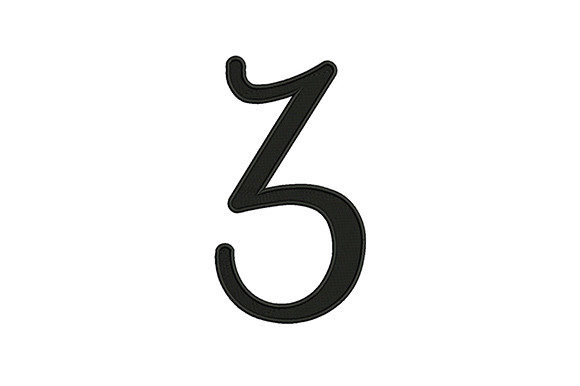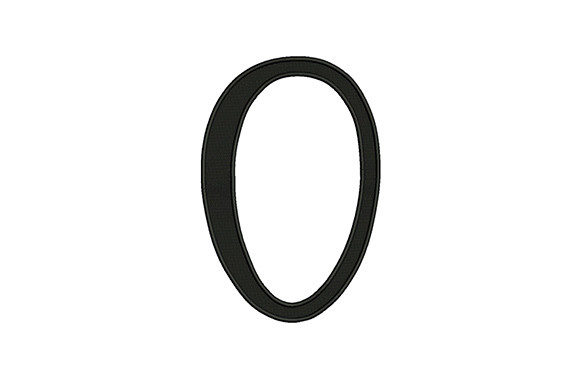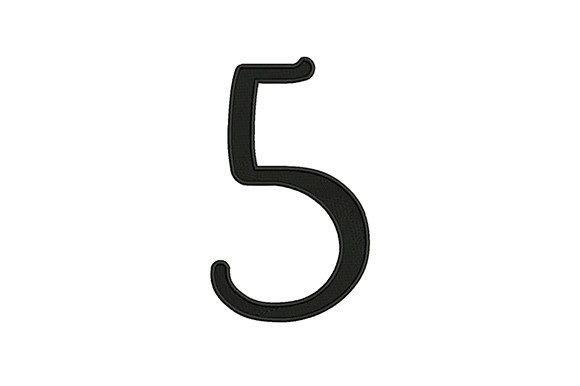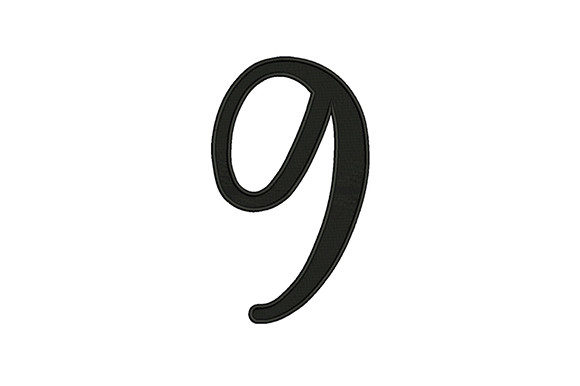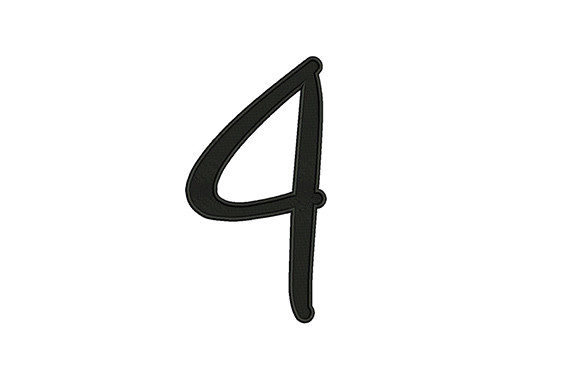
4 Number Embroidery Design Review
First Impression: Clean, Confident, and Classically Versatile
As an embroidery designer who’s developed hundreds of commercial designs for small businesses—from indie bakeries to boutique florists—I immediately recognized 4 Number as a quietly powerful asset. Its description—“a simple blackwork embroidery, fun and easy to stitch”—signals clarity over clutter. That’s gold for branding. It reads as modern yet timeless, friendly but professional, handmade without feeling rustic or unfinished. There’s no excessive ornamentation, no fragile flourishes—just confident, balanced geometry in line work. For a School-category design, it avoids childishness entirely; instead, it carries quiet authority, like a monogrammed notebook cover or a teacher’s lapel pin. That duality—approachable yet polished—is rare, and exactly what small business merch needs to build trust at first glance.
Where 4 Number Shines in Real Business Use
4 Number isn’t just a decorative motif—it’s a functional brand marker. I’ve tested similar blackwork numerals across dozens of applications, and this design excels where consistency and legibility matter most:
- Embroidered patches: Crisp at 1.5"–3" sizes—ideal for sew-on or iron-on application on tote bags, aprons, or staff jackets. The open negative space prevents fill distortion on twill or canvas.
- Cap embroidery: Works beautifully on structured front panels when digitized with moderate stitch density. No tiny interior angles to snag during wear or laundering.
- Apron embroidery: Perfect for chest placement—small enough to complement, not overwhelm, a hand-stitched or linen apron. Reads clearly from 3+ feet away.
- Tote bag design: Stands out against natural cotton or canvas without competing with printed logos. Pair it with a minimalist brand name for cohesive boutique merch.
- Custom apparel: Adds subtle identity to sleeve cuffs, pocket flaps, or hem tags—especially effective for creative studios or pet brands wanting quiet sophistication.
- Product packaging accents: Embroider onto fabric labels, gift tags, or reusable pouches—reinforcing handmade quality without visual noise.
For Etsy sellers and craft-based brands, 4 Number functions as both a standalone signature and a flexible design asset—easily paired with initials, dates, or seasonal motifs in printable mockups or digital embroidery file bundles.
Use With Intention: Where Caution Applies
Even strong designs have boundaries—and recognizing them upfront saves time, thread, and client trust. With 4 Number, avoid pushing it into contexts where its simplicity becomes a liability:
- Below 1" patch size: Line weight may lose definition on curved surfaces (like cap fronts) or dense fabrics (e.g., heavy denim or quilted nylon). Always test at final scale.
- Dark uniforms without contrast testing: Blackwork implies dark thread—but if stitching on charcoal or navy, confirm thread color contrast. A deep charcoal thread on black fabric can disappear.
- Fabrics with high texture or stretch: Terry cloth, fleece, or jersey require extra stabilizer support. The clean lines of 4 Number demand stability to hold shape through repeated washing.
- High-stitch-density interpretations: Though described as “easy to stitch,” some digitizers may overfill outlines. Keep stitch density lean—especially for small-batch commercial embroidery where efficiency matters.
How 4 Number Strengthens Brand Identity
In small business merch, every stitch communicates intention. 4 Number doesn’t shout—it invites recognition. When repeated across aprons, caps, and tote bags, it builds visual rhythm that customers begin to associate with your shop’s care and consistency. Unlike ornate fonts or trendy graphics, it ages gracefully: relevant for back-to-school launches today, and equally fitting for holiday gift sets or anniversary collections tomorrow. For handmade product brands, it signals craftsmanship without pretension—its blackwork roots nod to tradition while its clarity feels contemporary. And because it’s inherently scalable and neutral, it integrates seamlessly into existing design assets—no clashing with your primary logo, palette, or typography. That cohesion elevates perceived value, increases buyer engagement, and reinforces professionalism—especially critical for service-based creatives like florists or studios where tactile detail reflects overall quality.
Practical Designer Notes Before You Stitch
Before committing 4 Number to client production or inventory, run these checks:
- Test the digital embroidery file in black and white first—verify line continuity and spacing accuracy.
- Resize it to your target hoop size and inspect for distortion. Does the “4” retain proportion? Are corners sharp, not pixelated?
- Confirm thread color contrast on your actual fabric—not just screen mockups. Light thread on light fabric? Reconsider.
- Review spacing between elements—if pairing with text or icons, ensure breathing room remains intact.
- Always stitch a physical sample using your intended stabilizer and fabric. Texture changes everything.
- Create a printable mockup for client approval—show it on a cap, tote, and apron side-by-side.
- Compare 4 Number beside your other design assets. Does it harmonize—or compete?
- Verify commercial licensing before use in paid merchandise. If unclear, contact the source directly—never assume.
Remember: “Simple” doesn’t mean “low effort.” It means every decision—from line weight to negative space—must serve your brand’s voice and your customer’s experience. 4 Number delivers that precision, making it a smart, scalable choice for small business merch, Embroidery shops digitizing for local clients, and crafters building recognizable, repeatable identity—one stitch at a time.