Backpack Embroidery Design Review
First Impressions: Playful, Polished, and Purpose-Built
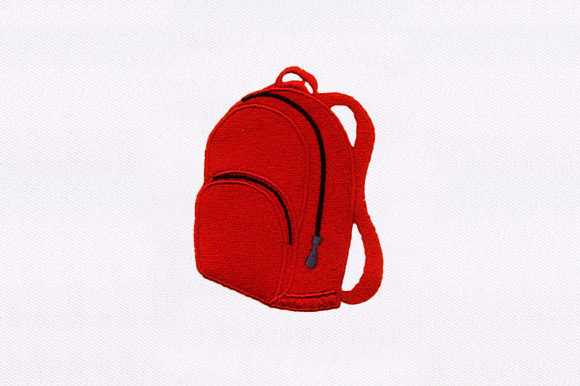
As an embroidery designer who’s stitched hundreds of boutique apparel collections—from limited-run hoodies to seasonal tote drops—my first glance at Backpack told me everything I needed to know before even loading the file. It’s not overly fussy or minimalist; it strikes that rare balance: playful enough for youth-driven Back To School energy, yet clean and structurally confident for grown-up lifestyle branding. The line work feels intentional—not rushed or auto-traced—and the internal details (like subtle zipper texture and strap stitching) suggest thoughtful digitizing. There’s no visual clutter, but there’s also zero emptiness. It reads as premium handmade product, not clipart repurposed for embroidery.
Sweatshirt & Hoodie Performance: Chest Placement That Commands Attention
Backpack shines brightest on neutral sweatshirts and soft pastel hoodies—think heather grey marls, oatmeal French terry, or dusty rose fleece. Its proportions scale beautifully across standard chest placements (3.5"–4.5" wide), holding clarity without crowding. On oversized garments, it avoids looking lost thanks to its balanced negative space and confident outer outline. For sleeve accents? Trim it down slightly (check your hoop size first—many versions fit comfortably in a 4x4 or 5x7) and pair with a single coordinating icon. As a back design? Absolutely viable—especially on relaxed-fit hoodies where the shape echoes casual confidence. Just ensure your stabilizer supports the full stitch density; backpacks often carry heavier fill areas around the main body and straps.
Beyond the Hoodie: Versatility Across Boutique Apparel
- T-shirts: Works best on midweight cotton or tri-blends—avoid ultra-thin fabrics unless you reduce density or add tear-away + cut-away combo stabilizer.
- Denim jackets: A standout choice. The structured lines contrast beautifully with denim’s texture, and the design’s inherent “utility” vibe aligns naturally.
- Tote bags: Excellent for medium-weight canvas or linen-cotton blends. Place near the top seam for visual weight, and consider mirroring it on both sides for branded consistency.
- Cozy seasonal layers: Looks intentional on cable-knit cardigans or sherpa-lined hoodies—its clean silhouette grounds busier fabric textures without competing.
Where Precision Matters: Placement & Fabric Considerations
Not every surface is equal—and Backpack rewards thoughtful execution. On stretchy fabric (like lightweight knits), use light- to medium-weight cut-away stabilizer and avoid tight hoop tension. On ribbed fabric (e.g., textured sweater knits), test stitch density first—dense fills can flatten ribs unnaturally. For dark garments, choose thread colors with high contrast (navy + cream, charcoal + mustard) and verify coverage in your test run. Curved surfaces like shoulder seams or rounded tote gussets need careful hooping—consider floating stabilizer or using adhesive spray. And if your version includes tiny lettering (some Creative Fabrica embroidery files do include optional monogram spots), confirm legibility at your intended size—Backpack’s base design avoids micro-details, but always inspect the actual embroidery file.
Brand Impact: More Than Just a Design
When customers scroll Etsy listings or boutique Instagram feeds, cohesive visual language builds trust. Backpack strengthens brand identity because it’s recognizable without being loud. It doesn’t scream trend—it suggests intentionality. That translates directly to perceived value: shoppers associate clean, well-digitized machine embroidery designs with quality craftsmanship and attention to detail. Used consistently across sweatshirt embroidery, tote bags, and even printable mockups for social media graphics, it becomes part of your shop’s quiet signature—like a custom label sewn inside a garment. For small shop product launches or seasonal drops, that consistency helps buyers remember *your* version of Back To School style—not just the concept.
Practical Designer Notes Before You Stitch
- Always test on scrap fabric that matches your final garment’s weight, stretch, and finish—not just generic cotton.
- Confirm stabilizer choice: Medium cut-away works for most sweatshirt embroidery, but fleece or heavy terry may need additional tear-away on top.
- Review thread color contrast on your actual fabric swatch—not just screen previews. Lighting changes everything.
- Check hoop size compatibility before hooping. File formats listed (DST, PES, VP3, etc.) are widely supported, but dimensions vary by version—verify width/height in your embroidery software.
- Inspect stitch density in your editing program. If fills feel overly heavy for your fabric, adjust underlay or reduce density slightly—don’t assume “as-is” is optimal.
- Test placement options: Centered chest, left-chest, upper back, or sleeve—each tells a different story. Snap photos of each for your printable mockup library.
- Review Creative Fabrica product details carefully—especially licensing terms—before producing finished product for commercial embroidery or resale.
Final Thought: A Thoughtfully Built Foundation
Backpack isn’t just another machine embroidery design—it’s a versatile, mood-aware asset for apparel decorators who care how their digital embroidery file translates into real-world wearability and brand resonance. Whether you’re building a cozy Back To School capsule, launching a small batch of custom apparel for your Etsy seller shop, or refining your boutique brand’s visual rhythm, this embroidery file delivers quiet confidence. It respects fabric, honors stitch integrity, and leaves room for your own creative voice—whether that’s through thread color storytelling, clever placement, or pairing it with other complementary Creative Fabrica embroidery files. In a landscape full of fleeting trends, Backpack feels like a keeper.