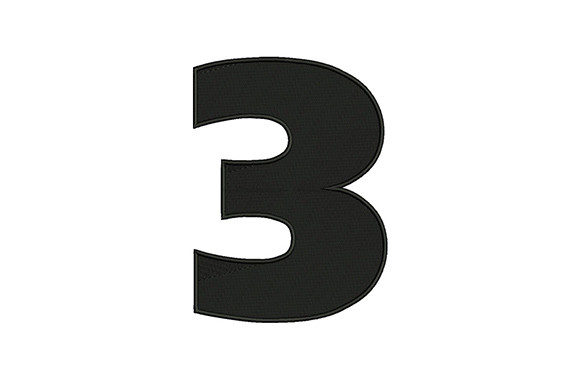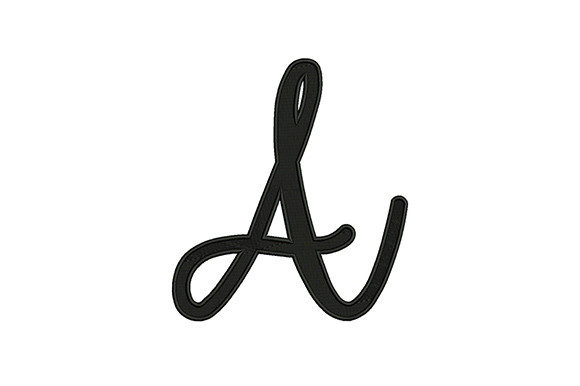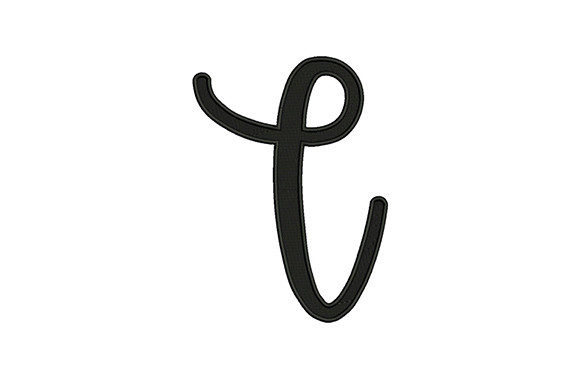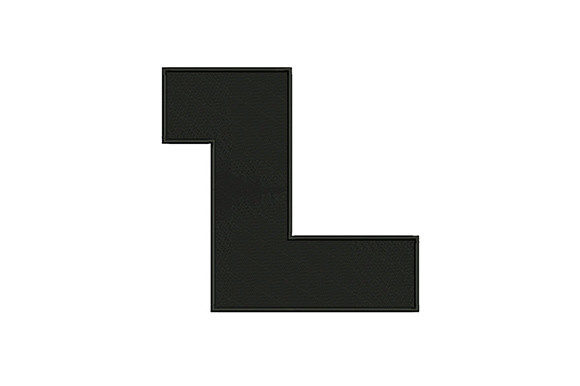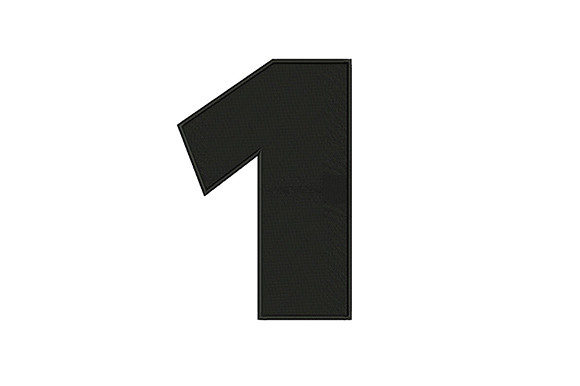
Number 1: A Timeless Blackwork Embroidery for Seasonal & Holiday Use
First Impressions: Clean, Confident, and Quietly Festive
As an embroidery designer who’s built seasonal collections for over a decade, my first glance at Number 1 told me everything I needed to know: this is not just another monogram—it’s a mood. The blackwork style delivers crisp contrast, rhythmic repetition, and subtle geometry that reads as both modern and nostalgic. It doesn’t shout “Back To School” or “Holiday Cheer”—it invites interpretation. On a navy sweatshirt, it feels grounded and confident. On ivory linen, it reads elegant and understated. On a red kitchen towel? Instant warmth and tradition. That versatility isn’t accidental—it’s intentional design discipline.
Where Number 1 Shines in Real Holiday Selling Situations
This machine embroidery design thrives where emotional resonance meets practical execution. Think of your Etsy seller dashboard during November: buyers scrolling for *personalized gifts*, searching for “small shop product,” or filtering for “handmade gift.” Number 1 appears clean in search thumbnails, scales beautifully across mockups, and holds visual weight even in low-res social previews. In craft fair displays, it stands out on pillow covers and embroidered patches—not because it’s flashy, but because it feels *considered*.
- Gift bundles: Pair Number 1 with coordinating holiday embroidery—like minimalist snowflakes or tiny wreaths—to create cohesive sets (tote + pillow + ornament) without visual clutter.
- Limited edition apparel: Stitch it centered on oversized crewnecks or cropped sweatshirts for family matching items that feel premium, not mass-produced.
- Home decor drops: Its balanced proportions make it ideal for kitchen towel embroidery, table linens, and pillow covers—items customers buy early in the season and keep year after year.
- Printable mockups & promo graphics: Because the design avoids fine gradients or micro-details, it renders cleanly in digital assets—even when scaled down for Instagram carousels or email headers.
Smart Placement: Where to Use Number 1—and Where to Pause
Blackwork demands intentionality. While Number 1 is highly adaptable, its strength lies in thoughtful application—not blanket coverage. Avoid placing it on curved caps or stretchy garments unless you’ve tested stabilizer layers and stitch density thoroughly. Tiny hoop sizes (under 3” x 3”) may compromise legibility—especially if your customer plans to use it on baby onesies or mini ornaments. Likewise, thick terry cloth towels or dark fabric require careful thread color selection: test on both light and dark swatches before finalizing your product line.
Metallic thread adds sparkle but can increase breakage risk—reserve it for low-volume, high-margin items like limited-run holiday ornaments or keepsake pouches. And always confirm commercial licensing before stitching Number 1 onto finished products you plan to sell. As a small shop owner, that step protects your brand consistency and customer trust—especially during peak holiday shopping periods when returns or complaints can ripple fast.
Seasonal Appeal, Emotional Pull, and Product Value
Here’s what makes Number 1 more than just a digital embroidery file: it carries quiet symbolism. “1” evokes new beginnings—perfect for Back To School launches—but also firsts, milestones, and singular moments: a baby’s first holiday, a graduate’s first home, a couple’s first Christmas together. That duality expands its shelf life beyond a single season. Buyers don’t just see a number—they see meaning. That lifts perceived value, supports higher price points, and encourages repeat engagement. When shoppers recognize Number 1 across your tote bag design, pillow cover, and embroidered patch, they’re subconsciously reinforcing your brand voice: refined, intentional, human-centered.
Practical Designer Notes for Holiday Production
Before adding Number 1 to your seasonal collection, run these checks:
- Confirm hoop size compatibility—not just maximum dimensions, but how much breathing room the design needs around edges for secure hooping on varied fabrics.
- Review stitch density—blackwork can pack dense fills; ensure your machines handle it on delicate fabrics like chambray or lightweight cotton poplin without puckering.
- Test stabilizer pairings: tear-away works well on stable wovens (towels, pillow covers), but cut-away is essential for knits (sweatshirts, aprons) and items facing repeated washing.
- Create realistic mockups—not just white backgrounds. Show Number 1 stitched on a real kitchen towel draped over a wooden counter, or centered on a folded tote bag beside pine sprigs and cinnamon sticks.
- Zoom in post-stitch: check small details—especially corners and intersections—for skipped stitches or thread nesting that might not show in the embroidery file preview.
- Plan matching color palettes: since Number 1 is blackwork, lean into rich neutrals (charcoal, rust, forest green, cream) for holiday-ready cohesion across your product range.
Final Thought: A Design That Grows With Your Shop
In a market flooded with trending fonts and overdesigned motifs, Number 1 is a breath of clarity. It doesn’t chase attention—it earns it. For Etsy sellers building long-term customer relationships, for apparel decorators launching limited holiday runs, and for handmade gift makers curating meaningful collections—this seasonal embroidery design delivers quiet authority. It fits seamlessly into Back To School launches, then transitions effortlessly into Thanksgiving, Christmas, and New Year’s offerings. That flexibility isn’t convenience—it’s strategy. And in holiday commerce, strategy stitches deeper than thread ever could.