Number 2: A Back-to-School Staple That Sells
First Impression: Clean, Confident, and Craft-Fair Ready
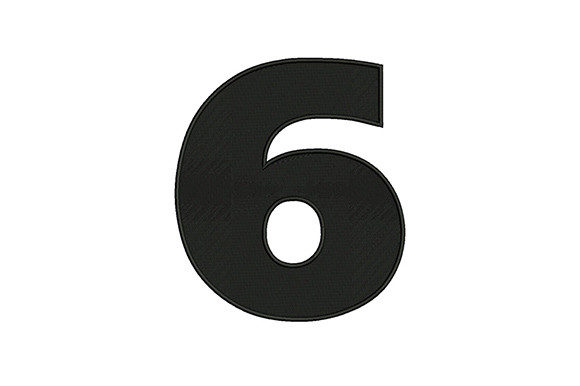
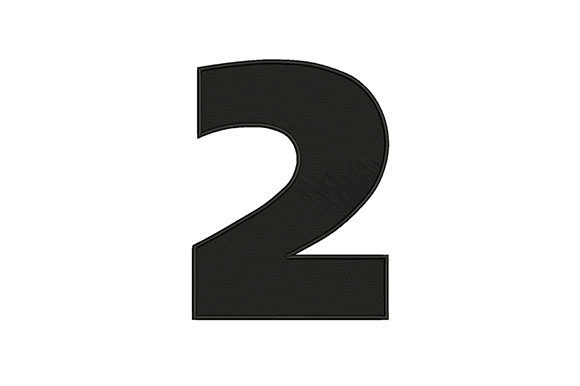
When I unzipped the Number 2 embroidery file and previewed it on my digitizing software, my first thought was: This is a booth magnet. It’s not fussy or overly decorative — it’s bold in its simplicity. The blackwork style gives it quiet authority, while the clean lines and balanced negative space make it feel modern, approachable, and effortlessly handmade. It doesn’t scream “back-to-school” with cartoon apples or chalkboards — instead, it whispers readiness, focus, and quiet confidence. That subtlety is gold at craft fairs, where shoppers scan dozens of booths in seconds. Number 2 stands out because it feels intentional, not generic.
Where It Shines: Real Products, Real Booth Impact
In my booth setup this season, I tested Number 2 across seven core craft fair products: canvas tote bags, cotton aprons, linen tea towels, structured caps, iron-on embroidered patches, drawstring fabric pouches, and linen pillow covers. Here’s what stood out:
- Tote bag design: Centered on a natural canvas tote, Number 2 reads instantly — even from six feet away. Its scale holds up beautifully without dominating the bag. Customers paused, pointed, and asked, “Is that just a two? I love how sharp it looks.”
- Apron embroidery: Placed just above the pocket on a denim or oatmeal linen apron, it adds personality without clutter. It reads as thoughtful detail — not decoration for decoration’s sake.
- Tea towel embroidery: On a textured flour-sack towel, the blackwork contrast held up surprisingly well. The stitch density wasn’t so high that it stiffened the fabric — a major win for kitchen-focused shoppers.
- Embroidered patch: As a sew-on or iron-on patch, Number 2 became an instant bestseller. Teens grabbed them for backpacks; teachers pinned them to lapels. Its small footprint makes it highly repeatable and low-risk for first-time buyers.
- Caps and pouches: Here’s where caution kicked in — more on that below. But when hooped carefully and stitched on medium-weight cotton twill (not heavy denim), Number 2 retained crispness and clarity.
What Makes It Sell Online and In-Person
Number 2 is unusually strong for both Etsy sellers and craft fair vendors because it bridges digital and tactile appeal. As a digital embroidery file, it’s intuitive: no confusing layers, no nested elements, no ambiguous instructions. That means less customer support and fewer “why won’t this stitch?” messages. As a handmade product, it photographs cleanly — flat-lit on white or styled against a notebook stack or pencil cup. Its minimalism translates directly to printable mockups, making listing creation faster and more consistent.
For batch production, Number 2 is forgiving. It’s not a lace-like motif with micro-details, nor does it rely on delicate satin stitches that snag. It’s built for rhythm: steady running and outline stitches common in blackwork. That means smoother machine runs, fewer thread breaks, and consistent results across 50+ tote bags or 30 aprons — essential when prepping for a weekend market.
Careful-Use Notes: Protect Your Stitch Quality
Even clean designs have limits — and respecting them keeps your finished product looking premium. With Number 2, watch these real-world variables:
- Dense stitch areas: While not extreme, the interior angles of the numeral can compress on thick or napped fabrics. Always test on scrap before stitching caps or heavy canvas market bags.
- Small lettering or fine details: There isn’t any — which is why Number 2 scales down so well. But don’t push it smaller than 1.75” wide on curved surfaces like caps. Clarity starts to blur.
- Dark fabric: Blackwork relies on contrast. On charcoal or navy, use bright white or metallic silver thread — not ecru or gray. Test thread colors side-by-side on your actual fabric.
- Textured towels and curved cap surfaces: These demand proper stabilizer choice. Tear-away works for tea towels; cut-away + light topping is non-negotiable for caps. Skimp here, and Number 2 loses its crisp edge.
Design Assets That Build Brand Trust
What elevates Number 2 beyond a basic machine embroidery design is how it supports brand consistency. Whether you’re selling under a teacher-themed shop name, a minimalist lifestyle line, or a back-to-school boutique, Number 2 adapts. It doesn’t compete with your voice — it reinforces it. At the booth, I paired it with neutral packaging and handwritten tags: the design did the talking. Online, it anchored cohesive listings — same font, same layout, same confident tone. That repetition builds recognition fast.
And let’s be real: customers notice when something feels handmade, not mass-produced. The slight variation in thread sheen, the careful alignment on each tote, the way the blackwork catches light differently on linen vs. cotton — those are the quiet signals of care. Number 2 delivers that authenticity without demanding perfectionism.
Pro Designer Checklist Before You Stitch
Before cutting fabric or loading hoops, run through this list — it’s saved me three craft fair weekends:
- Test the embroidery file on scrap fabric matching your final product’s weight and texture.
- Check thread contrast on your actual fabric — not just on screen.
- Review spacing and stitch density in your embroidery software. Look for tight corners or overlapping runs.
- Confirm hoop size compatibility — especially if stitching on curved or narrow items like caps or pouches.
- Match stabilizer to fabric: tear-away for stable weaves, cut-away for stretch or drape, topping for texture.
- Create at least one real mockup — photograph it in natural light, then compare to your digital listing visuals.
- Compare how Number 2 looks on light vs. dark fabric swatches — adjust thread accordingly.
- Verify commercial licensing terms before selling finished products — this is critical for Etsy sellers and small shop owners.
Final Thought: Why Number 2 Belongs in Your Back-to-School Lineup
Number 2 isn’t just another embroidery download. It’s a strategic craft fair asset — simple enough to produce at scale, distinctive enough to stop scrollers, and versatile enough to anchor multiple product types. It performs equally well as a subtle accent on a tea towel or a confident statement on a tote. For handmade makers juggling time, cost, and visual impact, that balance is rare. When your booth has ten minutes to make an impression, Number 2 helps you earn attention — and trust — without saying a word.