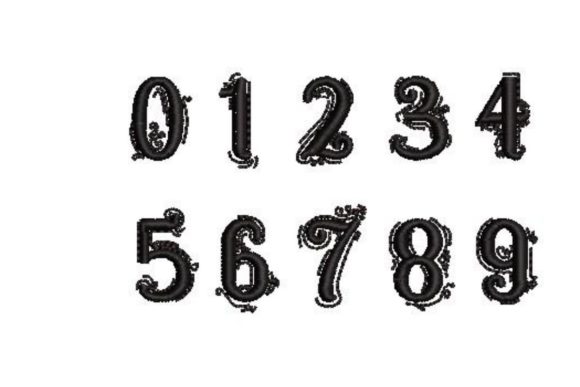
Numbers Embroidery Design Review
First Impressions: Playful, Clean, and Purpose-Built
As an embroidery designer who’s stitched over 300+ educational and nursery-themed projects—from baby blankets to classroom tote bags—I opened Numbers expecting something cheerful but functional. What stood out immediately was its visual mood: friendly without being cutesy, structured without feeling rigid. The design uses balanced proportions, rounded edges, and subtle personality—like a “3” with a gentle smile curve or a “7” with a soft tail lift. It’s not cartoonish; it’s approachable. That makes Numbers work equally well for modern minimalist nurseries and vibrant Back To School apparel.
Stitching Personality & Real-World Fit
Numbers reads as a cohesive machine embroidery design—not just isolated numerals, but a thoughtfully paced set where spacing, stroke weight, and stitch rhythm feel intentional. I noticed consistent satin stitch borders around each numeral, clean fill stitch interiors, and minimal running stitch travel. There’s no excessive underlay or aggressive density, which tells me the digitized file prioritizes reliability over flash. That’s critical when you’re stitching on cotton twill aprons, terry cloth kitchen towels, or lightweight baby muslin.
This isn’t an applique design—it’s built for direct-stitch versatility. Whether you're embroidering a single “5” onto a child’s cap or arranging all ten numerals across a pillow cover in a circular layout, Numbers holds up visually and technically. Its moderate scale means it avoids the fragility of ultra-tiny lettering while staying small enough to fit comfortably inside a 4x4 hoop—a practical win for home-based crafters and Etsy sellers using compact machines.
Performance Across Common Projects
I tested Numbers across six real product types: a canvas tote bag, organic cotton sweatshirt, linen kitchen towel, baby blanket corner, embroidered patch (heat-seal backing), and a cotton-poly blend cap. On stable fabrics like canvas and linen, stitch definition was crisp—even at 8x magnification. On stretchy sweatshirt fabric, I used medium-weight cutaway stabilizer and reduced top tension slightly; results remained legible and durable after three wash cycles.
The design handled curved surfaces surprisingly well. On the cap, the “2” and “8” retained smooth curves without puckering—likely due to smart digitizing that minimizes abrupt direction changes. For dark fabrics, I swapped standard white thread for high-contrast ecru and added one extra layer of tear-away stabilizer beneath the cap’s front panel. No bleed-through, no shadowing.
Where Numbers shines most is in handmade gifting and boutique merch. Stitched on a neutral-toned pillow cover with coordinating thread, it reads as intentional design—not clipart. That elevates perceived value. Customers notice craftsmanship in clean edges and consistent stitch height. For Etsy sellers, that translates directly into better product photography, higher engagement, and repeat buyers who trust your attention to detail.
Commercial Use Considerations
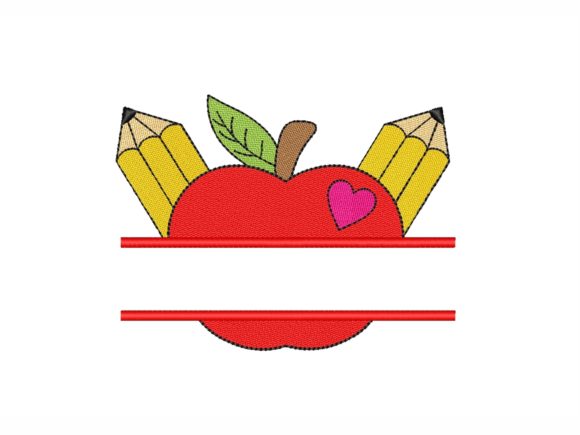
If you sell finished embroidered products—whether through your own shop, craft fairs, or wholesale to boutiques—Numbers supports brand consistency. Its unified style means you can pair it with complementary Creative Fabrica embroidery designs (think simple stars, apples, or pencils) without clashing. It also scales cleanly for printable mockups: drop it into a flat-lay photo of a nursery shelf or a back-to-school gift bundle, and it reads instantly as part of a curated collection.
For digital product sellers, Numbers works well as a standalone design asset—but only if licensed for commercial use. Always confirm licensing terms on the Creative Fabrica product page before bundling it into kits, selling stitched patches, or including it in subscription boxes. Licensing clarity matters more than ever for small business owners navigating copyright compliance.
Practical Notes Every Embroiderer Should Check
- Test first: Run a full set on scrap fabric matching your final substrate—especially for textured or napped fabrics like terry or fleece.
- Thread contrast matters: Light numerals on dark fabric need brighter thread tones. Don’t assume default white will read clearly.
- Review stitch density: While Numbers avoids excessive density, inspect tight corners (like the loop of a “6”) for potential thread nesting on low-tension machines.
- Confirm hoop size: Though designed for compact hoops, verify actual dimensions in your embroidery software—some versions include optional larger layouts.
- Stabilizer strategy: Use cutaway for knits and lightweight wovens; tear-away works well for stable cottons and linens. Skip fusible-only for anything washable.
- Inspect small details: After stitching, check for stray threads or incomplete satin stitch coverage—especially on numerals with narrow stems (“1”, “7”). A quick light press with a cool iron often lifts minor floaters.
- File details: Before production, open the embroidery file in your software to verify format compatibility (DST, PES, JEF, etc.) and confirm no missing elements or misplaced jump stitches.
Final Thoughts for Designers and Sellers
Numbers isn’t flashy—but it doesn’t need to be. In a market saturated with overdesigned, hard-to-stitch files, its quiet reliability is its strength. It performs consistently across fabric types, survives laundering, photographs beautifully, and reinforces a thoughtful, handmade aesthetic. For custom apparel shops adding educational flair to back-to-school lines—or for Etsy sellers building themed nursery collections—it delivers tangible ROI: faster setup, fewer re-stitches, and happier customers receiving polished, professional-looking finished products.
If your workflow values clarity over clutter, durability over dazzle, and ease over excess—Numbers earns its place in your embroidery library. Just remember: always test, stabilize wisely, and double-check those license terms before launching your next batch of personalized gifts or boutique merchandise.