School Unicorn: A Craft Fair Designer’s Real-World Review
First Impression: Bright, Playful, and Instantly Recognizable
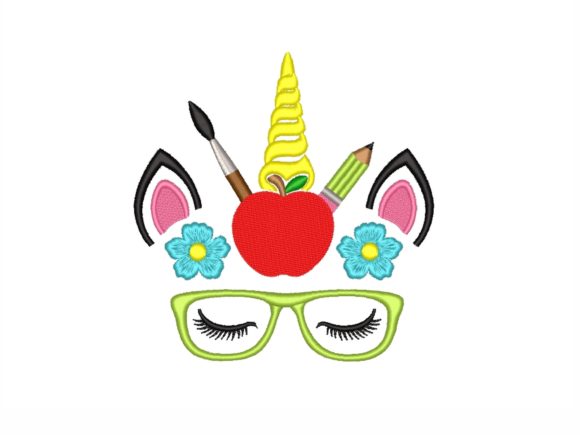
As an embroidery designer who’s prepped over 200 craft fair booths—from downtown pop-ups to regional handmade markets—I opened School Unicorn expecting charm, and it delivered. The title alone signals joy and seasonal relevance without leaning into cliché. It feels bold yet approachable, cute but not cloying, and refreshingly modern—not farmhouse, not vintage, not overly cartoonish. That balance is gold for Back To School shoppers who want personality without sacrificing polish. Parents, teachers, and students alike respond to its energy, especially when stitched cleanly on natural fabrics.
Where School Unicorn Shines on Craft Fair Products
In my booth setup—featuring embroidered tote bags, aprons, tea towels, patches, fabric pouches, pillow covers, and market bags—School Unicorn consistently drew attention as a handmade product with strong visual storytelling. Here’s how it performed across key items:
- Tote bag design: Works beautifully centered on the front panel of medium-weight canvas or denim. At 4–5 inches wide, it reads clearly from 6 feet away—a huge win for crowded craft fair aisles.
- Apron embroidery: Looks especially fresh on light-colored cotton or linen aprons—above the pocket or centered on the bib. Its curved horn and cheerful expression soften utilitarian lines without overwhelming.
- Tea towel embroidery: Holds up well on tightly woven flour-sack or Belgian linen—just avoid ultra-textured towels where fine details blur. Best placed in the upper third for balanced composition.
- Embroidered patch: A standout small shop product. Clean edges, moderate stitch density, and distinct color zones make it easy to iron-on or sew-on. Great for bundling with back-to-school kits.
- Fabric pouch & pillow cover: Adds whimsy without looking juvenile. On muted solids (navy, sage, heather gray), School Unicorn becomes a premium-feeling detail—not just decoration, but brand signature.
What Makes School Unicorn Sell—Beyond Cuteness
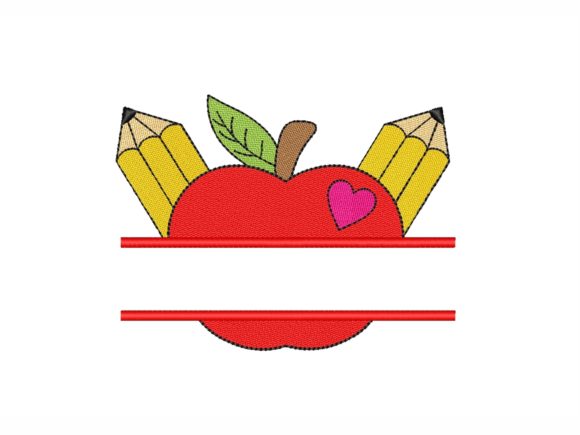
Craft fair buyers don’t just buy unicorns—they buy confidence. School Unicorn delivers that because it’s instantly legible, emotionally warm, and commercially versatile. As an Etsy seller or boutique maker, you’ll appreciate how easily it integrates into cohesive collections: pair it with coordinating monograms, pencil motifs, or chalkboard-style lettering for full Back To School bundles.
It photographs exceptionally well—no harsh shadows, no thread pooling, no fuzzy outlines—so your printable mockup and social posts will convert. And yes, it’s repeatable at scale: consistent spacing, clear shape boundaries, and minimal jump stitches mean fewer re-hooping delays during batch production.
Careful-Use Notes Every Embroidery Designer Should Know
Even joyful designs need thoughtful execution. Here’s what I flagged while prepping School Unicorn for my own booth:
- Dense stitch areas: The unicorn’s mane and tail use layered satin stitches—beautiful in person, but test on your target fabric first. Too much density on thin cotton can cause puckering.
- Tiny details: The star accents and eye highlights are charming—but shrink below 3 inches and they risk blending. Stick to ≥3.5" for caps or small pouches.
- Dark fabric + light thread: The design relies on contrast. On charcoal or navy, verify thread colors hold up—especially pastel pinks and yellows that may mute.
- Curved cap surfaces: Not ideal for direct cap embroidery unless your machine supports low-profile hoops and flexible stabilizer. Better as a sew-on patch.
- Textured towels: Avoid heavy terry or waffle-weave—fine details vanish. Opt for smooth, flat-weave kitchen linens instead.
Design Assets That Build Booth Strength & Buyer Trust
School Unicorn strengthens your entire display—not just as a standalone piece, but as part of a larger narrative about quality, intention, and handmade care. When customers see it stitched crisply on three different products (say, a tote, a tea towel, and a patch), they subconsciously register consistency, skill, and brand cohesion. That perception lifts perceived value—and justifies higher price points.
For digital sellers, this machine embroidery design is also a smart design asset: include multiple file formats (as advertised) so buyers can use it across brands and machines. That flexibility expands your reach—from beginner Cricut crafters to seasoned commercial embroidery shops.
Practical Embroidery Designer Notes Before You Stitch
Before cutting your first yard of fabric or listing your first Etsy item, do these six things:
- Test the design on scrap fabric matching your final product—same weight, same weave, same dye lot if possible.
- Check thread contrast under both daylight and indoor booth lighting. What looks vivid in your studio may dull under tent lights.
- Review spacing and alignment—especially if combining with text or borders. Does the unicorn sit comfortably within common hoop sizes?
- Confirm stabilizer choice: lightweight cutaway for stable fabrics, tear-away for tea towels, fusible for patches.
- Create at least one real mockup—not just a digital preview. Hold it, fold it, drape it. See how it moves and catches light.
- Verify commercial licensing before selling finished products. Since this is marketed for Back To School use, confirm whether resale rights are included in your embroidery file purchase.
Final Thought: School Unicorn Is Booth-Ready—with Intention
School Unicorn isn’t just another digital embroidery file. It’s a conversation starter, a confidence builder, and a reliable performer across tactile, visual, and emotional touchpoints. For craft fair sellers and handmade entrepreneurs, it checks every box: quick to produce, strong in person, versatile online, and unmistakably human in feel. Just remember—the magic isn’t in the unicorn alone. It’s in how thoughtfully you bring it to life: on fabric, in context, and with care. That’s what turns a craft fair product into a keepsake—and a handmade product into a story worth sharing.