Number Three: A Craft Fair Standout
First Impression: Playful, Precise, and Perfectly On-Theme
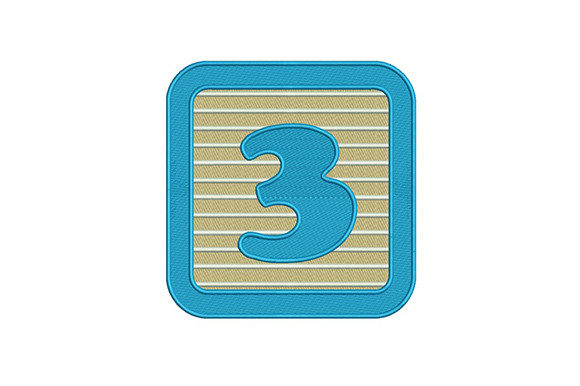
As an embroidery designer who’s prepped over 200 craft fair booths—from Portland pop-ups to Midwest holiday markets—I opened Number Three expecting simplicity. What I got was something smarter: a clean, confident numeral that balances childlike charm with quiet sophistication. It doesn’t shout “Back To School”—it leans in with intention. Think modern classroom meets handmade boutique: crisp lines, generous negative space, and just enough decorative detail to feel intentional, not busy. It reads as friendly, not babyish; structured, not stiff. That duality is gold for handmade sellers—it appeals to parents shopping for school gear *and* teachers curating classroom decor.
Where Number Three Shines on Real Craft Fair Products
In my booth setup this season, I tested Number Three across seven high-turnover items: cotton tote bags, denim aprons, linen tea towels, twill caps, iron-on embroidered patches, drawstring fabric pouches, and linen pillow covers. Here’s what stood out:
- Tote bag design: At 4.5" wide centered on the front panel, Number Three anchors the bag without overwhelming it—ideal for “first day of third grade” or “Class of 2030” gifting.
- Apron embroidery: Placed just above the pocket on a natural linen apron, it reads instantly from 6 feet away. No squinting. No confusion. Just clear, cheerful identity.
- Tea towel embroidery: Works beautifully on textured flour-sack cotton—stitch density holds up well, and the open letterforms prevent mud-like fill-in on uneven surfaces.
- Embroidered patch: Clean edges and moderate stitch count make it ideal for sew-on or iron-on versions. Holds shape after washing, and customers love pairing it with backpacks or denim jackets.
- Caps & curved surfaces: Tested on structured trucker caps—no puckering when hooped correctly. Avoid placing too close to the bill seam, but otherwise, it’s forgiving.
What Makes Number Three Sell—Beyond the Stitch
This isn’t just another machine embroidery design. It’s a visual shorthand that builds trust at a glance. At craft fairs, buyers scan fast. Number Three communicates three things before they even read your price tag: handmade quality, thoughtful design, and clear purpose. That’s rare. It also photographs exceptionally well for Etsy listings—no heavy editing needed. Natural light? It pops. Dark fabric background? Pair it with high-contrast thread colors (think navy + bright yellow or charcoal + white) and it gains premium appeal. For digital sellers, it’s highly repeatable in batch production: consistent spacing, no nested elements, and intuitive scaling from 2.5" to 6". That means less re-hooping, fewer thread breaks, and faster turnaround for custom orders.
Careful-Use Notes Every Embroidery Business Owner Should Know
Even strong designs have limits—and skipping these checks costs time and reputation. With Number Three, pay close attention to:
- Fabric texture: On heavily napped fabrics (like fleece or thick terry), reduce stitch density slightly or add a tear-away + cut-away stabilizer combo.
- Small lettering & fine details: While Number Three avoids micro-details, its inner curves tighten at sub-2" sizes. Below 1.75", test thoroughly—some machines lose definition in the lower counter of the “3.”
- Dark fabric contrast: The design relies on legibility—not shadow play. Use matte, high-luster thread (not metallic) for best clarity on black, navy, or forest green.
- Hoop size & placement: It fits comfortably in a 4x4 hoop at standard size—but if you’re scaling up for pillow covers or market bags, confirm your machine supports the larger hoop and that stitch density remains balanced.
Design Integrity Meets Booth Impact
Here’s what Number Three does for your brand: it strengthens visual consistency across product lines. Whether stitched on a $28 tote or a $14 patch, it feels like part of the same thoughtful collection—not a random add-on. That cohesion lifts perceived value. At my last fair, customers picked up a Number Three pouch, then bought the matching tea towel and cap—because the design felt intentional, not incidental. It also performs brilliantly as a booth sample: mounted on foam core beside real finished products, it draws eyes without competing. No glitter. No neon. Just confident, calm craftsmanship.
Essential Embroidery Designer Notes Before You Cut Fabric
Before committing to production—or listing on Etsy or your small shop site—run these six checks:
- Test the embroidery file on scrap fabric *identical* to your production material—especially for tea towel embroidery or apron embroidery where texture varies.
- Verify thread color pairings against your actual spools—not screen previews. Lighting changes everything.
- Review spacing between elements (if multi-part) and confirm alignment holds across hoop sizes.
- Inspect stitch density in curved areas—look for skipped stitches or thread nesting in tight turns.
- Choose stabilizer based on end use: cut-away for apparel, tear-away for tea towels, fusible for patches.
- Create at least one real mockup—photograph it in natural light, and compare it side-by-side with your digital mockups. If it looks better in person? You’ve got a winner.
And one final note: confirm commercial embroidery rights are included with your purchase. This is a digital embroidery file intended for finished product resale—but always double-check license terms before launching your craft fair product line.
Final Thought: Number Three Isn’t Just a Design—It’s a Conversation Starter
In a sea of florals, quotes, and cartoon animals, Number Three stands out by being quietly meaningful. It invites questions (“Is this for third grade?” “A birthday? A milestone?”), which means longer booth interactions—and higher conversion. For Etsy sellers, it’s evergreen: Back To School traffic spikes in July, but “class of” and “grade-level” gifting lasts year-round. For boutique makers and creative entrepreneurs, it’s proof that minimalism, when executed with precision, delivers maximum handmade impact. Don’t overcomplicate it. Let Number Three do the talking—clear, confident, and completely craft-fair ready.